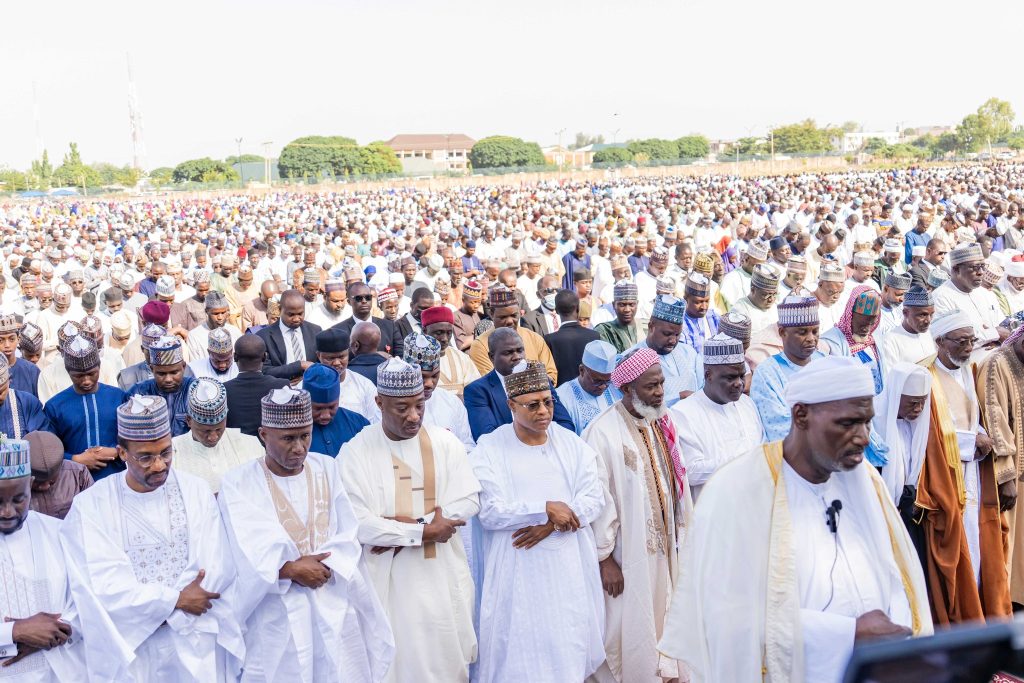
Eid prayer, or Salat al-Eid, stands as a cornerstone of celebration and spiritual reflection for Muslims globally. It marks the joyous conclusion of two pivotal events in the Islamic calendar: Eid al-Fitr, which signifies the end of the blessed month of Ramadan, and Eid al-Adha, commemorating Prophet Ibrahim's (Abraham's) profound act of devotion and submission to God. These occasions are not merely holidays; they are vibrant expressions of gratitude, community, and renewed faith. Understanding how to perform Eid prayer, a practice deeply rooted in tradition and communal spirit, is essential for every Muslim.
Whether you're celebrating Eid al-Fitr with the joyous breaking of the fast or Eid al-Adha with its emphasis on sacrifice and sharing, the collective prayer unites millions. This comprehensive guide will walk you through the preparation, the steps, and the significance of performing the Eid prayer, ensuring you can participate fully in this beautiful tradition. From the initial preparations to the final greetings, we'll cover everything you need to know about the prière aïd sharqia and its universal practice.
Understanding Salat al-Eid: More Than Just a Prayer
Salat al-Eid is a special congregational prayer observed by Muslims to mark these two significant Islamic festivals. Unlike daily prayers, it has unique characteristics that underscore its importance and communal nature. It’s performed in a group, typically in large mosques, prayer grounds (musallas), or open spaces, to accommodate the vast numbers of worshippers eager to partake in this blessed gathering. The essence of Eid prayer extends beyond its ritualistic movements; it embodies a collective spirit of thanksgiving, unity, and adherence to Islamic teachings.
The prayer itself consists of two units of prayer (rak'ahs), distinguished by additional takbirs (the pronouncements of "Allahu Akbar" – God is the Greatest). These extra takbirs are a unique feature, setting it apart from regular daily prayers and adding to its festive atmosphere. Before or after the prayer, depending on scholarly interpretations and regional customs, a sermon (khutbah) is delivered. This sermon reinforces Islamic values, reminding the community of the importance of solidarity, charity, and piety – themes central to both Eid al-Fitr and Eid al-Adha.
Associated with Eid al-Fitr is the obligation of Zakat al-Fitr, a special charity given to the poor before the prayer, ensuring everyone can celebrate the festival. Eid al-Adha, on the other hand, is marked by the ritual sacrifice of an animal (Qurbani), with its meat shared among family, friends, and the needy. Both acts of benevolence symbolize gratitude, sacrifice, and the strengthening of social and spiritual bonds within the Muslim community. For a deeper dive into its meaning, consider reading Salat al-Eid Explained: Significance, Rituals, and Community Bonds.
Essential Preparations Before Eid Prayer
Proper preparation is key to fully embracing the blessings of Eid. The tradition of the Prophet Muhammad (peace be upon him) emphasizes several recommended practices (Sunnah) that enhance the spiritual experience of the day. These preparations not only purify the body but also ready the heart and mind for the communal worship:
- Perform Ghusl (Ritual Bath): It is highly recommended to take a full ritual bath (ghusl) before heading to the Eid prayer. This purification ritual, similar to a shower but with the intention of purification, cleanses the body and sets a spiritual tone for the day. Ibn Umar, a companion of the Prophet, reported that the Prophet Muhammad (PBUH) would perform ghusl before going for the Eid prayer.
- Wear Your Best Clothes: Muslims are encouraged to wear their finest clothes, symbolizing joy and respect for the occasion. New clothes are often worn if available, but clean, presentable attire is the main point.
- Eat Before Eid al-Fitr Prayer: For Eid al-Fitr, it is Sunnah to eat a few dates or something sweet before going to the prayer, signifying the end of the fasting month. For Eid al-Adha, it is Sunnah to refrain from eating until after the prayer, then to partake of the meat from one's sacrifice.
- Use Perfume/Attar: Men are encouraged to use perfume (non-alcoholic attar), following the prophetic tradition of adorning oneself for such auspicious gatherings.
- Make Takbir on the Way: Reciting Takbirat al-Eid ("Allahu Akbar, Allahu Akbar, La ilaha illallah, Wallahu Akbar, Allahu Akbar, Walillahil Hamd") aloud on the way to the prayer ground, and silently for women, is a beloved Sunnah that fills the air with remembrance of Allah.
- Walk to the Prayer Ground (If Possible): If feasible, walking to the prayer site and returning via a different route is a recommended practice, allowing for more people to be greeted.
These preparations contribute to a holistic spiritual experience, setting the stage for a blessed day of worship and celebration. For more insights on preparation and timing, refer to Eid Prayer: Obligation, Timing, and How to Prepare for Salat al-Eid.
A Step-by-Step Guide to Performing Eid Prayer
The Eid prayer is relatively simple, yet distinct from daily prayers. Here’s a detailed guide to performing it correctly:
Step 1: The Intention (Niyyah)
Once you are at the prayer ground or mosque, stand facing the Kaaba (Qibla). Formulate your intention (niyyah) in your heart to perform the Eid prayer. For example, "I intend to pray two rak'ahs of Eid al-Fitr (or Eid al-Adha) prayer with the extra takbirs, following the Imam, for the sake of Allah." There's no need to verbalize the intention.
Step 2: The First Rak'ah
- Start with Takbir al-Ihram: Raise your hands to your shoulders or ears and say "Allahu Akbar" (this is the first takbir). Then place your right hand over your left hand on your chest or below your navel.
- Recite Supplication (Optional): Silently recite the opening supplication (Dua al-Istiftah), if you know it.
- Perform Extra Takbirs: After the opening supplication, raise your hands again and say "Allahu Akbar" for the second time, letting your hands drop to your sides. Repeat this action (raising hands, saying "Allahu Akbar," dropping hands) for a total of three, five, or seven additional times, depending on the school of thought you follow (most commonly 3 or 6 additional takbirs in total in the first rak'ah, after the initial takbir al-ihram). After the final extra takbir, place your hands back on your chest.
- Recite Surah al-Fatihah: The Imam will then recite Surah al-Fatihah (the opening chapter of the Quran), followed by another Surah (often Surah al-A'la or Surah Qaf) aloud. Listen attentively.
- Ruku' and Sujood: Complete the rak'ah as you would a regular prayer: go into Ruku' (bowing), then stand up, and then perform two Sujood (prostrations).
Step 3: The Second Rak'ah
- Stand Up and Begin with Recitation: After rising from the second prostration of the first rak'ah, stand up for the second rak'ah. The Imam will immediately begin reciting Surah al-Fatihah, followed by another Surah (often Surah al-Ghashiyah or Surah al-Qamar) aloud.
- Perform Extra Takbirs: After the Imam finishes the recitation, before going into Ruku', raise your hands and say "Allahu Akbar," letting them drop. Repeat this for a total of three, five, or seven additional times (usually 5 additional takbirs in the second rak'ah before ruku').
- Ruku' and Sujood: After the final extra takbir, immediately go into Ruku', then stand up, and then perform two Sujood.
- Tashahhud and Salam: Sit for the Tashahhud (recitation of greetings, testimony of faith, and salutations upon the Prophet), and then conclude the prayer by turning your head to the right and then to the left, saying "Assalamu alaikum wa rahmatullah" (Peace and mercy of Allah be upon you).
Step 4: The Khutbah (Sermon)
According to the reference context, a sermon (khutbah) is delivered before the prayer. The context states: "Before the prayer, a sermon (khutbah) is pronounced, recalling the teachings of Islam and emphasizing the importance of solidarity, charity, and piety." After the prayer, Muslims exchange greetings and well-wishes.
Timing and Obligation: Key Considerations for Eid Prayer
The timing of Eid prayer is specific and begins shortly after sunrise, extending until the sun reaches its zenith (midday). More precisely, it starts when the sun has risen to approximately the height of a spear visually and lasts until the sun begins to decline.
- Eid al-Adha: It is generally recommended to perform the Eid al-Adha prayer promptly at the beginning of its prescribed time. This allows Muslims ample time afterward to proceed with their animal sacrifices (Qurbani).
- Eid al-Fitr: Conversely, it is often preferred to delay the Eid al-Fitr prayer slightly. This delay provides more opportunity for people to give their Zakat al-Fitr before the prayer, fulfilling this charitable obligation.
Regarding its obligation, Islamic scholars hold differing views:
- Sunnah Mu'akkadah (Strongly Recommended): This is the view held by Imams Malik and al-Shafi'i. They consider Eid prayer a highly emphasized practice of the Prophet (PBUH), falling just short of being obligatory.
- Fard Kifayah (Communal Obligation): This view suggests that if a sufficient number of people in the community perform it, the obligation is lifted from the rest.
- Wajib (Obligatory): Some scholars, particularly in the Hanafi school, consider it obligatory for those who meet specific conditions (e.g., adult men who are residents).
Despite these differences, there is a strong consensus on the immense reward and benefit of attending Eid prayer. Its communal nature and spiritual significance make it a cherished and widely observed practice across the Muslim world.
Conclusion
Performing Eid prayer is a deeply rewarding experience, symbolizing unity, gratitude, and devotion. By understanding its significance, preparing adequately, and following the simple steps, you can fully participate in this beautiful tradition. Eid is a time for reflection, strengthening family ties, and extending kindness to those in need. May your Eid prayers be accepted, and may the blessings of Allah encompass you and your loved ones. Eid Mubarak!